2008/10/11

HENRIKE KNÖRR: IRUÑA VELEIA 2006.06.21


Subject: Lopez-Mugartzaren tesiaren defentsa egunekoak eta bezperakoak
From: Henrike Knörr
Date: Tue, 13 Jun 2006 09:31:59 +0200

Adiskide on horiek:

Hil honen 1eko nire mezuaren ondoan, horra zenbait ohar, haren haritik, Juan Karlos Lopez-Mugartzaren tesiaren aldezte-ekitaldiaz eta.

1. Ekitaldia, beraz, ekainaren 21ean, asteazkenez, izango da.

2. Hona non eta noiz bilduko garen: Filologia Fakultatean, Hizkuntzalaritza eta Euskal Ikasketa Sailean.

3. Fakultatean egin behar dituzten lanak direla eta, ekitaldia ez da han izango, beste eraikin batean baizik. Baina guztiok elkarrekin joango gara Fakultatetik hara.

4. Gero, ohi denez, bazkaria dugu, 2.30etan.

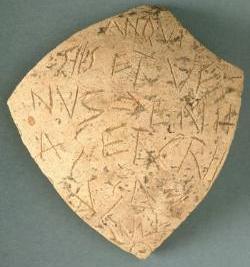
5. Arratsaldean Armentiara joatekoak ginen. Baina azken egunotako berriak, berri guztiz onak, entzun ondoren, Iruña-Veleiara joan gintezkeela pentsatu dut. Gasteiztik 10 kilometrotara dago hori, eta aski litzateke auto bat edo bi mugitzea. 5etan hasiko genuke bisitaldi hori. Aztarnategiaren zuzendaria den Eliseo Gil Zubillagarekin mintzatu naiz duela bi minutu eta ez da inolako eragozpenik. Euskal hitzak dituzten pusken argazkiak erakutsiko dizkigute (puskak berak honezkero Arkeologia Museoan dira giltzapean).

6. Zuetariko zenbait kanpoan bizi zarete, eta zenbaitek ostatu beharra izango duzue. Arren, idazkari administratiboari adieraz iezaiozue lehenbailehen hori, hark bidaia agentzian behar baitu abisua eman.

7. Gogora ezazue bezperaz afaria dugula. Hoberena dateke guztiok hotelean biltzea (9etan, demagun) eta handik bi autotan abiatzea.

Ongi izan, eta agin iezaiozue zerbitzari apal honi.

Henrike Knörr

HENRIKE KNÖRR: ISABABASO, IZABA (ERRONKARI)

From: Henrike Knörr
Subject: Isababaso
Date: Fri, 2 Jun 2006 05:38:47 +0200

Adiskide on hori:

Agindu gisa, hona non Ibargen-Cachopínen kronikan Izabaz aurkitzen dena:

"El solar de Isababaso, a quien tanbién llaman, abrebiado el nombre, Isaba, es en bal de Roncal. Trahe por debisa en azul dos panelas de plata, y sobre cada una sendas cabeças de reyes moros tocadas y coronadas de plata".

"Capítulo de la generación de gentes estrañas que a España binieron". Istoria general española y sumario de la cassa vizcaína. Julen Arriolabengoaren edizioa, argitaragabea, I, 523.

Ez egin kasurik hor ageri den kapituluaren tituluari. Gauza asko nahasten ohi dira kapituluetan. Dakizunez, liburu hori XVI. mendean idatzi zen, zati handienari dagokiola.

Ongi izan, eta agin iezaiozue zerbitzari apal honi.

Henrike Knörr

HENRIKE KNÖRR: NIRE MAISU HORI

Date: Mon, 05 Nov 2007 12:07:10 +0100
From: Henrike Knörr


Adiskide on hori:

País Valencià-tik etorri berria (besteak beste, Alcoiko berun famatua ikusi dut hango museoan), zure mezu atsegina ikusi dut.

Iruñeko gure eguna betea genuen zinez: liburuen aurkezpena, Miguel Sanz eta Carles Pérez Nievasi bisita, Zuzendaritzaren bilkura, Jesus Atxaren gorpua ikusi...

Aitzinetik esker mila zure tesiaren CDagatik. Hoberena nire emaztearen dendara bidaltzea.

Mila goraintzi,

Henrike Knörr

*** *** ***

Agur t'erdi, Henrike, nire maisu hori:

Zer moduz? Lehengo egunean Iruñean izan zinela esan zidan txoriño batek eta zure berri eman zidan. Nik eskolak nituenez gero, ezin izan nintzen Artxibora hurbildu, lanpeturik bainengoen.

Beste gauza bat, CD bat grabatu dizut nire tesiarekin eta orain nora bidaltzea nahi duzun esan behar didazu. Nahi baduzu bidalidazu mezu bat zure helbidearekin eta nik SEUR zerbitzuaren bidez bidaliko dizut. Unibertsitatera, etxera, nahi duzun lekura. Eta holaxe.

Askotan gogoratzen naiz zurekin eta deitu behar dizudala esaten diot neure buruari, baina, badakizu, beti izaten duzu betebeharren bat eta geroko uzten duzu... eta Axularrek dioen bezala... gero dioenak bego dio.

Ongi bada, Henrike, ongi zaindu, segi aurrera eta Oihenartek esanen lukeen bezala: "egik bathi, goitzeagati!!!"

Besarkada handi bat!

Juankar

HENRIKE KNÖRR: JUANKARREN HITZALDIA HUESCAN

Subject: Re: HITZALDIA HUESCAN
From: Henrike Knörr

Adiskide hori:

Atsegin handiz joango nintzateke Huescara, baina Zuzendaritzaren bilkura dugu Donostian. Dena ongi joan dakizula!

Zure tesiaren argitaratzeak poztu nau. Baina nork argitaratuko du? Badakizu nik oso begi onez ikusiko nukeela Onomasticon Vasconiae liburu-sortan argitaratzea.

Hitzaurreari dagokiola, egingo nuke. Esaidazu, ordea, noizko behar duzun testua.

Ni arras ongi nago. Lanean aritzen naiz etxean, bilkuretara joaten eta, gaur bezala, kirolean (gaur tenisaren eguna zen).

Goraintzi,

Henrike Knörr

*** *** ***

Nire irakasle eta adiskide on hori:

Zer moduz? Bi hitz baizik ez, esateko etzi hitzaldi bat eman behar dudala Huescan Anso eta Euskarari buruz. Aragoin nahiko haserre omen daude nire tesiarekin eta ez dakit tas-tas ipurdian emango ez ote didaten, kolonialismo bezala ulertu baitute batzuek Aragoin euskaraz mintzatu dela esan izana. Baina, tira!

Hitzaldia ostiralean izanen da, arratsaldeko 7:00etan, Huescako Diputazioaren Aretoan. V TROBADAS EN TORNO A LA LUENGA E LITERATURA ARAGONESA-n jardunaldien baitan. Etorri nahiko bazenu, esaidazu. Badakit oso lanpeturik zabiltzala baina, etortzerik bazenu, telefonoz deitu.

Eta beste gauza bat... Azkenean liburua argitaratu behar didate eta bururatu zait ea zuk egingo zenidakeen hitzaurre bat, orri pare bat nire liburuari aurkezpena eman ahal izateko, balio handiagokoa litzateke zure sarrera hitzak bertan egongo balira. Zuk diozun bezala, beti gabiltza gure aurreko erraldoien sorbaldetara igotzen eta hala egin nahiko nuke nik, zure sorbaldeetara igo eta handik mundua ikusi. Hitzaurrea hori egiteko modu bat izan liteke.

Ongi bada, Henrike, segi bizkor eta egongo gara!

Gabon,

Juankar
Huesca, 2008ko otsailaren 14a

2008/08/14

"NAVARRA" PABILIOIA ETA EXPO ZARAGOZA


"Navarra" gunean euskarak jai


Neure burua marroan ikusi
Eta alde egin dut gauerdian
Neke egina, zigor gupidagabeaz
Uda baitut adore
Baina, aldi berean, dolore ekarle

Batzuentzat gaitzesgarri naizelarik ere
Maitagarria naiz, guztiz maitea
Nekearen ondorioak jaso
Eta bazterrean gelditu diren horientzat

Irakaspenak ematen ez sobera zoli,
Aholkulari txarra naizen arren
Mintza nakion
Belarritik tiratu behar zaionari

Ezen pauso txikiak ematen baditut ere
Begirada batean den-dena ikusten dut
Argi eta garbi
Batzuen lotsagabekeria guztia

Errekak zer ekarriko zain nago
Ebroaren korronteari begira ez darabilt deus ere gogoan
Ezorduan joan behar dut
Eta damutzeko inoiz ez da berandu

Juankar Lopez-Mugartza

THE VOICE THAT EMIGRATED


As if they were escaping

The wandering swallows

Are like a quiet Babel without language

They go towards the sea

Flying among clouds

To Juan de Beriain and Michel Labéguerie

swallows of the Basque language

The Scaffold

When you say that language is dying

It is as if you said that fire is being extinguished

When I say that language is dying

It is as if I said that the lamb is dying

But fire is extinguished naturally, by itself

And the lamb, nevertheless, is sold by a Judas

It is crucified unjustly by a Pilate

And a Longinos hangman kills it

The Voice that Emigrated

I write in the language of my ancestors, because that is, or better said, was the language of this bishopric, and even though my forbears may not agree about different aspects of these lectures, although I use some words that they did not at the time and other words they used are already lost and I do not know them, I write in the language that was spoken in the Head of this Kingdom, which was the majority language in our territory and the only one that was understood in all our towns.

Nowadays, this is called a"minority" language.

Our neighbour’s language has swallowed us. But our language is democratically very deep because if somebody does not understand it, they can ask someone who knows and if they do not understand absolutely anything at all and they do not want to ask a person who knows, they can forget it because it is a language that nobody uses, a language that is dying. Well, to be brief, sometimes I cut and add new words to make these poems brighter and more understandable. But sometimes I think that I am just wasting my time.

Perhaps, I will hide away. I will leave in the mountains and I will become a sailor.

The Whale and the Boat

I live in a glass house. It is very pretty but fragile, just like dreams. Then I think about the cozy shelter that Pitxitxi the cat owns beyond the sea and where all mice live peacefully.

I have met thousands of cats in the world, each speaking its own language, a foreign language like yours. They are usually mouthless cats, living in borrowed time in an unstable way.

I take my small suitcase and I close the door heading for the sea. My voice will never be silenced. It is a whale which throws water through its backhole. The boat is waiting for me. Where will it lead me to?

My paper boat does not have silver nails

It is a nutshell, a pile of logs badly tied

Through the cracks a little water leaks

Sometimes more than a little

But I am not scared, we have a wonderful sun

I am used to sailing in a voyage of blackness from the Black Sea to blacker seas

There are too many people, among the mass of human trunks

Numb by the humid wind blowing and with marine salt in my lips,

The prow can frighten anyone

But me, oh, how crazy! I cannot even swim!

If I could, really, what would that matter?

If I were a bird I would fall into the snare

If a whale,

In the net trap of the drowned bodies that water swells

If I reached the shore I would be arrested and

With the admiration of the shaky and freezing light of the prison cell

I could still be beaten to death in some barracks on the coast

The Cats of the Lamppost in the Park

The crossing has been long but I am already here. Now I have become a cat. After travelling inside a truck, my friend Pitxitxi —a cat from my own town, and an immigrant, like me—, has offered me a place in its cathole. We are several cats of different furs and origins living in the same mousehole. This circumstance would be amusing if it was not for the lack of metaphoric adornment it supposes and the discomfort it generates. There is nothing, not even a simple decoration.

In the cat’s home you only need to worry about the daily stuff, about selling handkerchiefs and gathering at night before going to bed. We could say that it is a small international conference of forgotten voices. Nobody is really from here, from these coordinates, from these latitudes, from these parallels. We are from there. There is our hometown. We come from other shelters, other worlds, both near and far, from other denigrated languages, both vernacular and foreign. We come from other voices that our parents would sweetly whisper to us. Babel is my new house and my language, the flag of society’s outcasts.

They say I am mad, raving mad, because I walk the streets speaking aloud to myself. I am like a dumb one who, despite speaking with his glance, nobody listens to. Today I visited the city and its red tile roofs. When I reached the park it was late and I climbed to the top of the statue of the prince warrior who defeated the cats, and I saw other dumb people, natives and immigrants, and they were in a worse situation than mine. This is the truth.

I have also seen how the young subjects of the great snow-white cat felinely carried lighters and bottles full of volatile and flammable liquid in their hands. They went to silence the miaows of the cats that live under the lamppost of the park. Cats like Pitxitxi, pitchblack, but homeless, mew-mews as thin as little fingers, skinny mew-mews without sardines. Some showed the blows of previous abuse. Before them spoke the incendiary ones: "Here, there can’t be other word than our word. The voice of the fire owners. Ours is the only genuine miaow".

They will find

Neither white flowers

Nor traces

The bench that you used as a bed until yesterday

The voice you used as emigrant compass

Will be today, along with your body, fuel to the flames

But you will become the bush that burns

But is never consumed

You will be eternally on fire

As long as the word in the mouth of your people remains alive

Juan Karlos LOPEZ-MUGARTZA

2008/01/24

ORREAGA BALADA OLAZTIKO EUSKARAZ

I.- Gauberdiya da. Karlomano Erregia Auriz-perrin dó bere soldaubakin. Ez da ager ez idargirik eta ez izarrik zeru illunian; irruti ikusten dia su aundiyak mendiyan; Franzesak kantaitan ai dia erriyan; Altabizkargo inguruban sentitzen dia otsuan izugarrizko garrasiyak, eta Euskaldunak chorrochten tubei bitartian bebein dardo ta aizkorak Ibañetako aritz eta arritan

II.- Larritasunakin do Karlomano eta ezin loak artueu oyan onduan bere mutiko chiki bat leitzen ai da amoriyozko historiya bat; irutiso Erroldan indartsubak garbitzen ai da Durandarte ezpata famatuba; bitartian Turpin arzobispo onak erezaten ai da Jainkuan Ama santubai.

III.- Nere mutiko, –esaten deu Karlomanok;–zer ots da gaubeko isiltasuna austen den oi?–Jauna,–eantzuten deu pajiak; Iratiko, itsasua baindo aundiyoko basoko arbolain ostuak dia, aiziak moitzentubenak.–Ah! gazte maitia, eriyotzian otsan antza deka, eta nere biyotza ikaatzen da.

IV.- Gauba arras iluna dó. Ezta ager zeruban ez idargik eta ez izarrik; irrutia ikusten dia su aundiyak mendiyan; Franzesak lo de Auritz-perrin; Altabizkargo inguruban otsuak garrasiz dè, eta Euskaldunak chorrochten tubei bebein dardo eta aizkorak Ibañetako aritzetan.

V.- Zer da ots oi?–galdeitzen deu berriz Karlomanok, eta pajiak, loak errendituik, ezteu eantzuten.–Jauna,–esaten deu Erroldan indartsubak;-mendiko uran otsa dá, Andresaroko ar-taldian béé otsa dá.–Negarran antza deka,–eantzuten deu Franzesan Erregiak.–Egiya Jauna,–Erroldanek esaten deu;–erriyonek negar eiten deu guekin akordatzen danian.

VI.- Larritasunakin Karlomanok ezin loa artueu; lurra eta zerubak argiikbe dé; otsuak garrasiz ai dia Altobizkarren; Euskaldunain aizkorak eta darduak dir dir dir eiten dei Ibañetako araitz erditan.

VII.- Ah!–suspiriyoz esaten deu Karlomanok.–Ezin ló ein dot; kalenturiak erretzen nó. Zer da ots oi?–Eta Erroldanek, loak errendituik, etzun eantzuten. Jauna, –esaten deu Turpin onak; errezazu, errezazu neekin. Ots au Euskal-Erriko gerran-kantaitia da, eta gaur gure zoyonaren azkeneko eguna.

VIII.- Yuzkiya ager da mendiyan Karlomano benzituik eta garaituik iyasi diyua, "bere kapa gorriyakin, eta sombel luma beltzezkuakin." Umiak eta andrak Ibañetan dailtza pozez dantza ta dantza. Iya ezta Euskal Erroyan kanpotarrik, eta montañesain irrintzak zeruaindo iyotzen dia.


Arturo Campion, Burundako euskaraz